
You smooth on the clay, wait for it to harden, and watch it crack across your cheeks like a dry riverbed. 15 minutes later you rinse, and your skin feels clean, yes, but also tight, squeaky and a little parched. So you immediately reach for moisturiser to undo what the mask just did.
If that is your weekly deep-clean ritual, you are not alone. And in Malaysia's humidity, that tight, stripped feeling is quietly doing more harm than the deep clean is doing good. Not sure which mask fits your skin type at all? Start with our how to choose a face mask for your skin type guide.
So, clay mask or jelly mask? Here is the honest comparison: what each one actually does to your pores and your barrier, and why a jelly mask is usually the smarter deep clean for tropical skin. If your skin is oily in some spots and dry in others, see our guide to combination skin multi-masking instead.
What a clay mask actually does (and the trade-off)
Clay cleans by absorbing. It pulls oil, sweat and buildup out of the pore, which is exactly why your skin feels so clean the moment you rinse. The problem is that clay does not know when to stop. It soaks up your skin's natural moisture right along with the excess oil. That drawn, tightening feeling as it dries is the moisture leaving, and the parched finish afterwards is what is left behind.
This is the most common clay complaint online. People say mud and clay masks "dry my skin out so badly", leave skin "tight, dry, or stripped", and that frequent use "disrupts the moisture barrier". Skincare regulars even argue about whether you should ever let a clay mask dry fully, because once it goes bone dry it starts pulling water from living skin, not just oil from pores.
None of this makes clay useless. It just makes it a 1 to 2 times a week treatment at most, and a poor match for dry or sensitive skin.
Why that backfires on Malaysian skin
Here is the part most clay-mask advice skips, because it is written for dry, temperate climates. Yours is not.
In Malaysian heat and humidity, most skin is oily on the surface but often dehydrated underneath. (More on telling those two apart in your skin is dehydrated, not oily.) When you strip that skin with clay, the barrier panics and overcompensates by producing even more oil. The deep clean that leaves you tight ends up making oily skin oilier and more breakout-prone. The pattern is always the same: the harsh stuff "either breaks me out or leaves no result other than the slight oiliness".
The fix is not a stronger strip. It is a deep clean that does not punish your barrier on the way.
What a jelly mask does differently
A jelly mask deep-cleans without the drying-down. There is no hardening, no cracking, no race to rinse before it cements onto your face. You scoop it on, it stays cool and soft, and after 15 minutes you rinse it off to skin that feels clean and still soft.
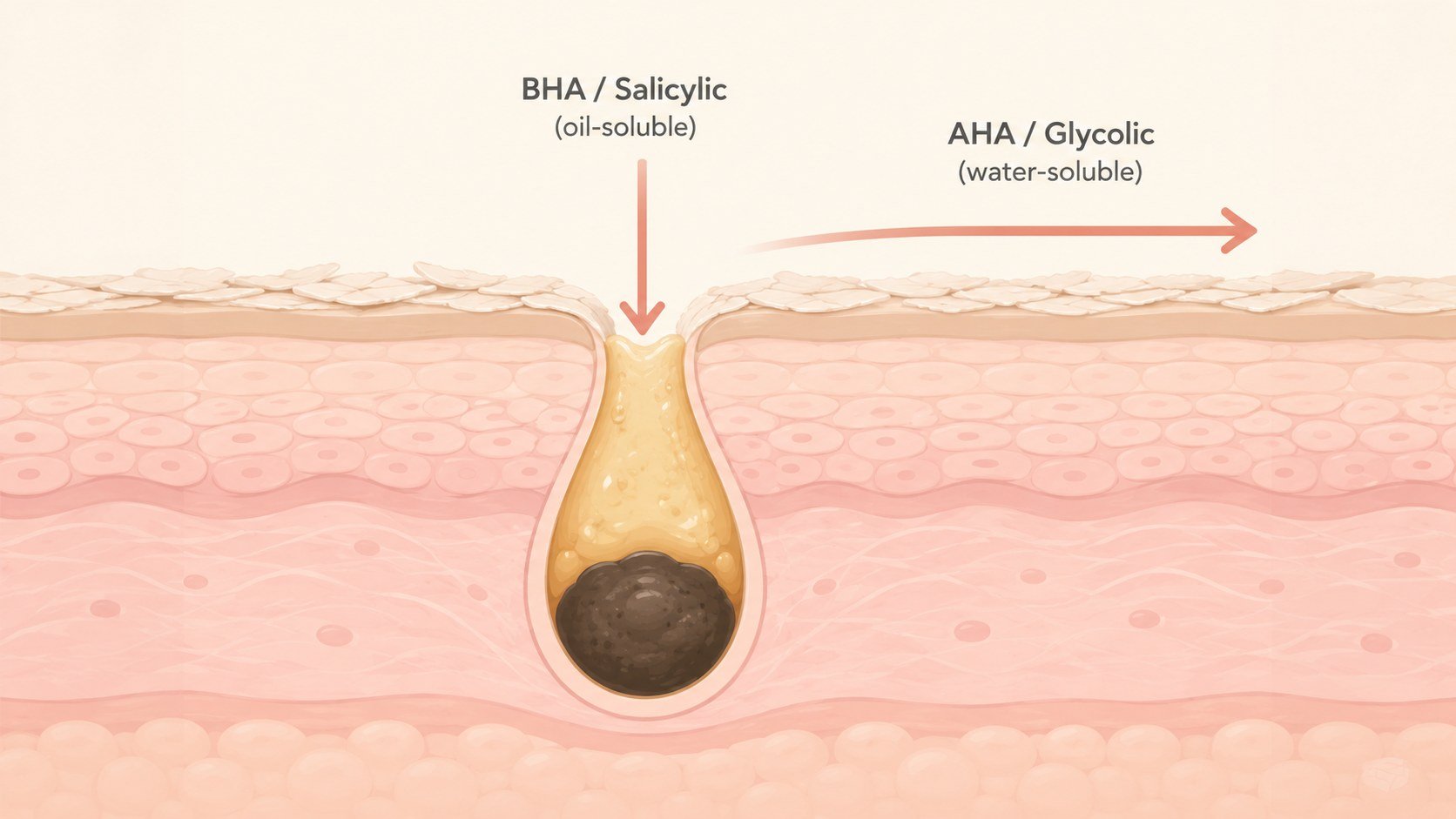
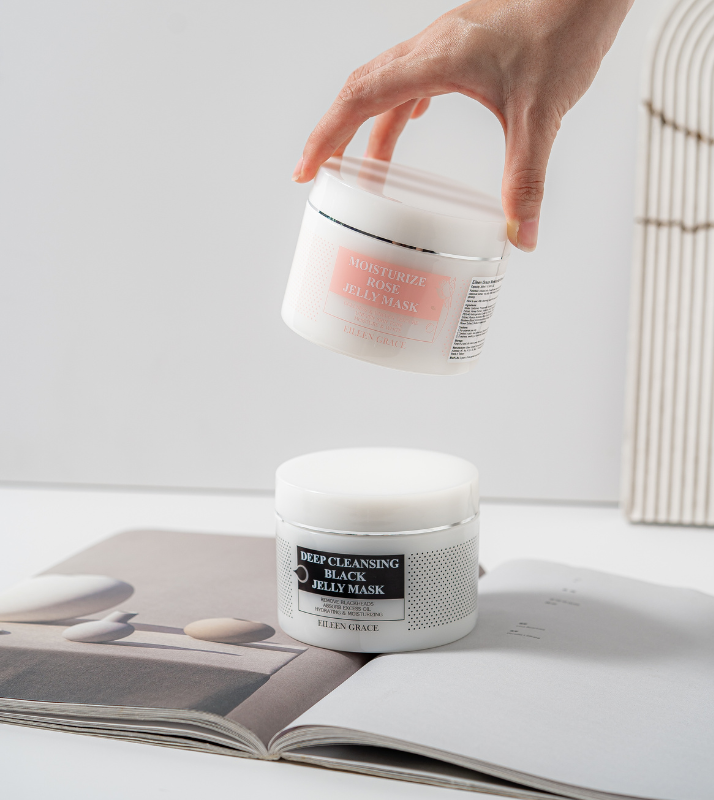
The Deep Cleansing Black Jelly Mask does the exact job clay is famous for, with activated charcoal to lift out blackheads and buildup and glycolic acid (AHA) to smooth rough texture, then rinses away without the stripped, parched finish. Clay masks promise a deep clean but leave your skin tight and parched. This one cleans deeper without the stripping, and users say it clears their pores better than any clay mask they have tried.

Clay mask vs jelly mask, side by side
| Clay / Mud Mask | Black Jelly Mask | |
|---|---|---|
| How it cleans | Absorbs oil from the pore | Charcoal and glycolic lift buildup, then rinse off |
| After-feel | Tight, squeaky, often parched | Clean and still soft |
| Dries down hard? | Yes, cracks and pulls as it dries | No, stays cool and soft |
| Skin barrier | Can strip and disrupt with frequent use | Gentle, no stripping |
| Best for | Very oily skin, occasional use | Oily, combination, congested and blackhead-prone |
| How often | 1 to 2 times a week, less if it dries you | 2 to 3 times a week |
| Mess | Flaky, crumbly, stains the sink | Scoop, spread, rinse clean |
| Humid tropical skin | Can over-strip and trigger rebound oil | Built for it: cool, no strip |
Gentle can still clean deep

The myth worth dropping is that a deep clean has to feel harsh. It does not. A mask can lift out blackheads, decongest pores and smooth texture while leaving your barrier completely intact. Stripping is not proof that it worked. Tight skin is proof it took too much. (If blackheads are your main reason for masking, here is how to remove blackheads without squeezing.)
How to use the Black Jelly Mask: the cool ritual

- Cleanse first so the mask works on clean skin.
- Chill the jar in the fridge for a cold, calming hit. Optional, but worth it in this heat.
- Scoop a thin, even layer. No need to wait for it to harden, because it will not.
- Leave it on for 15 minutes while you do nothing in particular.
- Rinse off with lukewarm water. That is it.
Use it 2 to 3 times a week for pores. It is a mask you rinse off after 15 minutes, not an overnight mask.
So which should you reach for?
If your skin is oily, congested or blackhead-prone, the Black Jelly Mask is the deep clean clay keeps over-promising. It clears pores 2 to 3 times a week without leaving you tight or parched. If you also break out, pair it with a gentle daily routine of the right acne ingredients.
The Black Jelly Mask is plant-based, alcohol-free, paraben-free, and certified by SGS, ECOCERT and KKM NPRA Malaysia, so the deep clean stays gentle enough for regular use.
A quick honest note
Clay is not the enemy. For very oily skin, an occasional clay mask is perfectly fine. But if your skin feels tight, dry or stripped after every single mask, that is your barrier telling you the format is too harsh for your climate. A jelly mask gives you the same deep clean without the punishment.
Frequently asked questions
Is a clay mask or jelly mask better for oily skin in Malaysia? For most oily, humid-climate skin, a jelly mask. Clay can over-strip and trigger rebound oil, while the Black Jelly Mask deep-cleans pores and rinses off without leaving skin tight. Very oily skin can still use clay occasionally, 1 to 2 times a week.
Do jelly masks clean as deeply as clay? Yes. The Black Jelly Mask uses activated charcoal to lift blackheads and buildup and glycolic acid to smooth texture. The difference is the after-feel: clean instead of stripped.
Why does my skin feel tight after a clay mask? Clay absorbs water along with oil, so as it dries it pulls moisture out of your skin. That drawn, squeaky feeling is mild over-drying, and it is the main reason clay does not suit dry or sensitive skin.
How often should I use the Black Jelly Mask? 2 to 3 times a week for deep cleaning. It stays on for 15 minutes, then rinses off. There is no drying-down or hardening, so there is no rush to remove it.
Will the Black Jelly Mask leave my skin tight like clay? No. It deep-cleans with activated charcoal and glycolic acid, then rinses off to skin that feels clean and still soft, not stripped. That gentler after-feel is the whole point of the jelly format.
Deep clean should not cost you your glow
The tight, squeaky, post-clay feeling was never a badge of clean skin. It was just your barrier paying the bill.
Scoop, chill, rinse, and let your skin feel clean and soft for once. That is the deep clean clay never gave you.
The Deep Cleansing Black Jelly Mask is formulated with activated charcoal and glycolic acid to clear pores and smooth texture, and rinses off to skin that stays soft, not stripped.