
The safest, most effective way to clear blackheads at home. No extraction tools, No pain, No scarring.
We've all done it. You see a blackhead on your nose, lean into the mirror, and squeeze. It feels satisfying in the moment. However, the redness, swelling, and sometimes scarring that follows? Not worth it. If you're tired of the squeeze-and-regret cycle and want to learn how to remove blackheads the right way, you're in the right place.
In this guide, we'll explain what actually causes blackheads, why squeezing them is one of the worst things you can do for your skin, and how a simple jelly mask routine using activated charcoal and glycolic acid can clear your pores safely without the damage.
Why You Should Never Squeeze Blackheads
Squeezing feels like the quickest solution but dermatologists unanimously agree that squeezing blackheads does more harm than good. Here's what actually happens when you squeeze:
Scarring and dark spots. The pressure from squeezing damages the skin tissue around the pore, leading to post-inflammatory hyperpigmentation (dark marks) that can take months to fade especially on Malaysian skin tones, which are more prone to pigmentation.
Bacterial infection. Your fingers carry bacteria. Squeezing pushes that bacteria deeper into the pore, which can turn a simple blackhead into a painful, inflamed pimple or even a cyst. What started as a minor issue becomes a much bigger problem.
Enlarged pores. Every time you squeeze, you stretch the pore opening. Over time, this makes your pores permanently larger, the exact opposite of what you want. Larger pores collect more oil and debris, creating more blackheads in a vicious cycle.
The blackheads just come back. Squeezing removes the top of the blockage but doesn't address the root cause which is excess oil production and dead skin cell buildup. Without treating the underlying issue, blackheads return within days.
If squeezing doesn't work, what does? The answer lies in understanding what blackheads actually are and using the right ingredients to dissolve them from within.
What Actually Causes Blackheads?
A blackhead (or "open comedone" in dermatology terms) forms when a pore gets clogged with a combination of excess sebum (oil) and dead skin cells. Unlike whiteheads, blackheads remain open at the surface, which is why the plug oxidises and turns dark. That's the "black" in blackhead. It's not dirt.
Several factors make blackheads worse, and if you live in Malaysia, you're dealing with most of them:
Malaysia's humidity. The average humidity in KL hovers around 80%. High humidity triggers your sebaceous glands to produce more oil, which means more material to clog your pores. Your skin is essentially working overtime in our climate.
Sweat + sunscreen + makeup. The daily combination of perspiration, SPF, and makeup creates a layer of buildup on your skin. If this isn't thoroughly cleansed at night, it mixes with your natural oils and settles into your pores.
Insufficient exfoliation. Dead skin cells naturally shed every 28 days, but they don't always fall off cleanly. Without regular exfoliation, these dead cells accumulate on the surface and act like a lid over your pores, trapping oil underneath.
The wrong skincare products. Heavy, comedogenic moisturisers and oil-based products can make blackheads worse. In Malaysia's climate, you need lightweight, non-comedogenic formulations that won't add to the congestion.
So the real solution to blackheads isn't squeezing. It's a two-pronged approach: dissolve the existing clogs and prevent new ones from forming. That's exactly what the right combination of ingredients can do.
The Two Ingredients That Actually Fight Blackheads
Not every "blackhead-fighting" product actually works. After years of formulation and testing, two ingredients consistently stand out for their ability to clear and prevent blackheads, and they work even better together:
Activated Charcoal — The Deep Cleanser
Activated charcoal works like a magnet for impurities. Its porous surface has an incredibly high absorption capacity. It literally draws out oil, dirt, and toxins from deep within your pores. This is why hospitals use activated charcoal to treat poisoning because it binds to unwanted substances and pulls them out.
When applied as a mask, activated charcoal sits on your skin long enough to draw out the sebum and dead skin debris that form blackheads. Unlike nose strips that only rip off the surface, charcoal works from inside the pore outward.
Glycolic Acid (AHA) — The Gentle Exfoliator
Glycolic acid is an alpha-hydroxy acid (AHA) derived from sugarcane. It's the smallest AHA molecule, which means it penetrates your skin more effectively than other exfoliants. What does it do? It dissolves the "glue" that holds dead skin cells together on the surface of your skin.
By removing this layer of dead cells, glycolic acid prevents them from falling into your pores and forming new blackheads. It also promotes cell turnover, which means fresher, brighter skin comes to the surface faster. Over time, regular glycolic acid use visibly reduces the appearance of pores and improves skin texture.
Why They Work Better Together

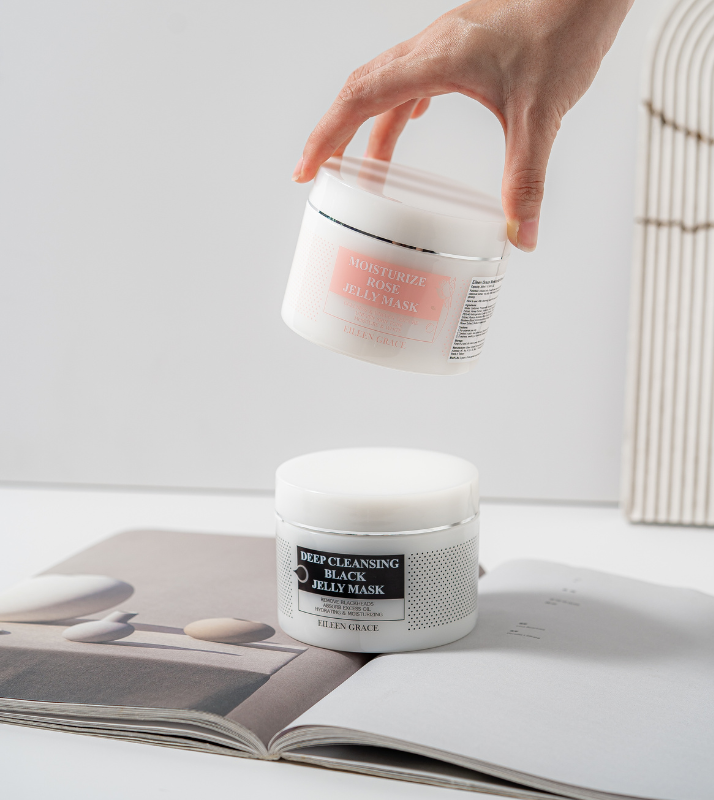
Think of it this way: glycolic acid clears the surface and opens the pathway, while activated charcoal goes deep to pull out what's trapped inside. One exfoliates, the other detoxifies. Together, they tackle blackheads from both the outside and inside of the pore which is why the Deep Cleansing Black Jelly Mask combines both ingredients in a single formulation.
The Jelly Mask Method: Step-by-Step Blackhead Removal Routine
Here's the complete at-home routine for removing blackheads safely. Do this 2-3 times per week for best results.

Step 1: Cleanse with a salicylic acid face wash.
Start by washing your face with a salicylic acid foaming cleanser. Salicylic acid (BHA) is oil-soluble, meaning it can penetrate into your pores and begin loosening the oil plugs from within. Massage gently for 60 seconds, focusing on blackhead-prone areas like nose, chin, and forehead. Rinse with lukewarm water.
Step 2: Steam your face (optional but recommended).
Hold your face over a bowl of warm water with a towel draped over your head for 2-3 minutes. The steam opens your pores, making it easier for the mask to penetrate. Alternatively, apply the mask right after a warm shower then your pores will already be open.
Step 3: Apply the Black Jelly Mask.
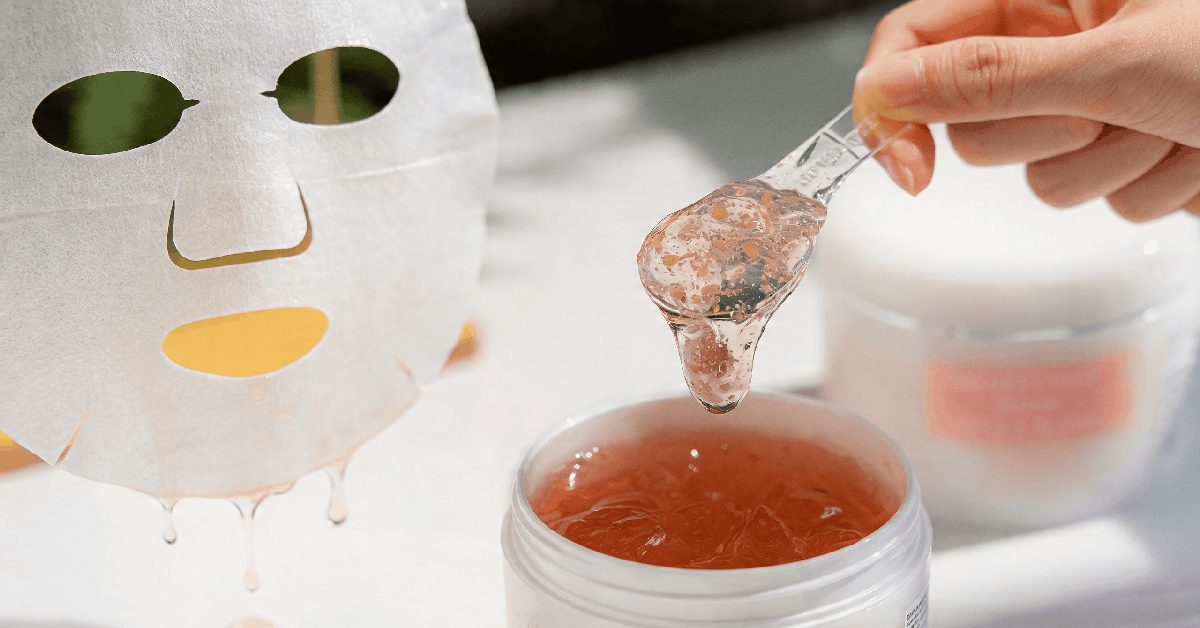
Using the included spatula, scoop a generous amount of the Deep Cleansing Black Jelly Mask and spread a thick, even layer (3-5mm) across your face. Pay extra attention to blackhead-prone zones — the T-zone (nose, forehead, chin). The jelly texture moulds perfectly to your face shape, ensuring every pore gets full contact with the active ingredients.
Step 4: Wait 15-20 minutes.
Let the mask do its work. During this time, the activated charcoal is drawing out impurities while the glycolic acid dissolves dead skin cells on the surface. Some people might feel a slight tingling because that's the glycolic acid working. This is your time to relax. Watch something, read, or just sit back. The jelly mask stays on your face firmly confirm no slipping and no dripping.
Step 5: Rinse off with lukewarm water.
Gently wash the mask off with lukewarm water. Massage in circular motions as you rinse to help lift any remaining loosened debris. Pat your face dry with a clean towel. Remember, never rub.
Step 6: Tone and close pores.
Apply your acne care toner to help close pores and rebalance your skin's pH after the mask. This step also adds a layer of salicylic acid to keep pores clear between masking sessions.
Step 7: Moisturise.
Finish with a lightweight, non-comedogenic moisturiser. Even oily skin needs hydration! Skipping moisturiser actually triggers more oil production, which leads to more blackheads.
Pro tip: Store your Black Jelly Mask in the fridge. The cold temperature tightens pores during application and gives you an incredibly refreshing, spa-like experience especially satisfying after a hot Malaysian day.
How Often Should You Do This?
For visible blackhead reduction, consistency is everything. Here's a realistic timeline of what to expect:
| Timeframe | What to Expect | Frequency |
|---|---|---|
| Week 1-2 | Skin feels cleaner and less congested after each session. Existing blackheads begin to loosen. Some may experience mild purging (tiny breakouts as trapped debris surfaces). This is normal and temporary. | 2-3x per week |
| Week 3-4 | Visible reduction in blackheads, especially on the nose. Pores appear smaller. Skin texture feels smoother. Oiliness begins to normalise. | 2-3x per week |
| Month 2-3 | Significant improvement. Most surface blackheads are cleared. Skin looks brighter and more even-toned. New blackheads form less frequently. | 2x per week (maintenance) |
| Month 3+ | Ongoing maintenance. Pores stay clear with regular use. Skin texture continues to improve. Dark spots from old blackheads begin to fade. | 1-2x per week |
Important: Don't overdo it. Using the mask more than 3 times per week can over-exfoliate your skin, leading to irritation and dryness. More isn't always better, consistency over time is what delivers results.
What About Nose Strips and Pore Vacuums?
You might be wondering about other popular blackhead removal methods. Here's the truth:
Nose strips: They pull out the top portion of blackheads, giving instant but temporary satisfaction. However, they don't treat the root cause and can irritate sensitive skin. The blackheads return within 2-3 days because the pore is still producing oil. Nose strips are a quick fix, not a solution.
Pore vacuums: These suction devices can cause broken capillaries (tiny red veins) and bruising if used too aggressively or too often. Like nose strips, they only address the surface. The blackheads refill quickly because the underlying oil production and dead cell buildup haven't been treated.
Physical scrubs: Harsh scrubs with large particles (like walnut shell or apricot kernel) can create micro-tears in your skin, leading to irritation, infection, and more breakouts. Chemical exfoliation (like glycolic acid in the Black Jelly Mask) is far gentler and more effective.
The jelly mask method works differently because it doesn't just remove but it treats. The activated charcoal draws out impurities while glycolic acid dissolves the dead skin that causes blackheads to form in the first place. With regular use, you're not just clearing today's blackheads — you're preventing tomorrow's.
5 Habits That Make Blackheads Worse
While the jelly mask routine will actively clear your blackheads, these common habits can undo your progress. Avoid them:
1. Touching your face throughout the day. Your hands transfer oil, bacteria, and dirt to your face every time you touch it. This is especially bad in Malaysia where we perspire more as your fingers pick up additional grime from surfaces.
2. Not double cleansing at night. If you wear sunscreen or makeup (which you should in Malaysia), a single cleanser often isn't enough to remove everything. Oil-based residue left on your skin overnight settles into pores. Use an oil cleanser or micellar water first, then follow with your foaming cleanser.
3. Skipping moisturiser because your skin is oily. This is one of the most common mistakes. When your skin is dehydrated, it compensates by producing even more oil and hence leading to more blackheads. Always moisturise with a lightweight, oil-free formula.
4. Using comedogenic products. Certain ingredients in skincare and makeup clog pores. Common culprits include coconut oil, cocoa butter, isopropyl myristate, and heavy silicones. Check your product labels especially if you have blackhead-prone skin.
5. Changing pillowcases infrequently. Your pillowcase collects oil, sweat, and dead skin cells every night. In Malaysia's heat, this buildup happens even faster. Change your pillowcase at least twice a week or use a clean towel over your pillow each night.
Ready to Clear Your Blackheads the Right Way?
The Deep Cleansing Black Jelly Mask combines activated charcoal and glycolic acid to dissolve blackheads without squeezing, stripping, or irritation. One jar lasts 15-40 uses, that's 2~3+ months of clearer skin. KKM certified, alcohol-free, and paraben-free.
Shop Black Jelly Mask NowFrequently Asked Questions
Can I use the Black Jelly Mask on my nose only?
Yes, you can target specific areas. Many people apply the Black Jelly Mask on their T-zone (nose, forehead, chin) where blackheads are concentrated, and the Rose Jelly Mask on their cheeks for hydration — two masks, one session, fully customised to your skin.
Will I experience purging when I start using the jelly mask?
Some people experience mild purging in the first 1-2 weeks as small breakouts as trapped debris surfaces. This is normal and temporary, especially if you haven't been exfoliating regularly. It typically clears within 2 weeks. If irritation persists beyond that, reduce usage to once per week and gradually increase.
Is the Black Jelly Mask safe for sensitive skin?
Yes. The Black Jelly Mask is alcohol-free, paraben-free, and certified by SGS International and ECOCERT. The glycolic acid concentration is formulated to be effective yet gentle enough for sensitive skin. If you have very reactive skin, start with once per week and see how your skin responds before increasing frequency.
How is this different from a charcoal peel-off mask?
Charcoal peel-off masks dry hard on your skin and are ripped off because this pulling action can damage sensitive skin, remove fine facial hair, and cause irritation. The Black Jelly Mask is a wash-off mask with a bouncy jelly texture. You simply rinse it off with water in the way more gentle, effective, and no pain involved.
Can I use the jelly mask method if I have active acne, not just blackheads?
Yes. Blackheads and acne share the same root cause which is clogged pores and excess oil. The activated charcoal and glycolic acid in the Black Jelly Mask help with both. However, if you have severe inflammatory acne (large, painful cysts), consult a dermatologist before starting any new product. For mild to moderate acne and blackheads, this routine is safe and effective.
Related reads: Sheet Mask vs Jelly Mask: Why Malaysians Are Making the Switch | How to Choose Between Rose & Black Jelly Mask