
It is 4 PM. You catch your face in your phone screen, and there it is again, that shine across your nose and forehead. So you blot, you powder, and tonight you will scrub twice with the strongest cleanser you own to finally beat this oil.
Stop. That shine is almost never the problem you think it is.
It is not oil. It is your skin running out of water and screaming for help. And every harsh, stripping thing you do to fight the "oil" is teaching your skin to make more of it.
This is the most misread skin problem in Malaysia. You spend all day swinging between 33°C tropical heat and freezing office air-conditioning, and both quietly drain the water out of your face. Then you read the shine as oiliness and attack it. Let us end the dehydrated skin vs oily skin confusion right now, because the real fix is almost the opposite of what you are doing.
Oily skin and dehydrated skin are not the same thing
Oily is a type. Dehydrated is a condition. That one line solves most of the confusion.
Oily skin is a *type*. It is how much natural oil, the sebum, your pores produce, and it is mostly set by your genes and hormones. You are born leaning oily, combination, or dry, and that baseline barely moves your whole life. If your T-zone and cheeks disagree, our combination skin multi-masking guide covers zone by zone care.
Dehydrated skin is a *condition*. It is simply how much water is sitting in your skin right now. It has nothing to do with oil. And because it is a passing condition and not a fixed type, anyone can have it. Dry skin can be dehydrated. Oily skin can be dehydrated. In fact oily skin is dehydrated far more often than people realise, because the symptom looks like the exact opposite of the cause.
Here is the trap so many Malaysian women fall into:
Your skin runs low on water, so it pumps out more oil to seal the surface. You read the extra oil as "I'm oily," so you strip it harder. Stripping removes even more water. Your skin panics and makes even more oil.
You think you are fighting oil. You are actually feeding it.
Your skin is thirsty, not oily. And most products strip it even drier.
Why Malaysia's climate makes this so much worse
You are not imagining it. Daily life here is almost built to dehydrate your face while convincing you that you are oily.
The air-conditioning. You sit 8 to 9 hours a day in cold, dry, air-conditioned offices, cars, malls, and LRT carriages. Dry air pulls water straight out of your skin all day long. Skin scientists have a fancy name for it, but here is the plain version: cold dry air drinks your face dry, and you do not even feel it happening.
The heat and humidity. Step outside and the tropical heat makes you sweat and flush. That surface moisture feels like oil, so you reach for clay, mattifiers, and the foamiest cleanser on the shelf. None of those add water. All of them take it away.
The over-washing. Because your face always feels sticky in this weather, you wash and wash. Twice in the morning, twice at night, a midday refresh. Every strip with a harsh formula removes the very lipids that hold water in.
And that squeaky-clean feeling you were taught to chase? It is not clean. It is a damaged barrier.
So the same face ends up slick on top and parched underneath at the same time. That contradiction is the fingerprint of dehydrated skin, and the moment you can spot it, you can stop fighting your own face.
How to tell if your skin is dehydrated: the 3-sign test

You do not need a clinic to figure this out. Run these 3 checks tonight in front of the mirror.
Sign 1: The pinch test. Gently pinch a small patch of skin on your cheek, hold for 2 seconds, then let go. Hydrated skin bounces back instantly and smooth. Dehydrated skin is slow to settle, and tiny crinkly lines may appear in the pinched spot and then fade. Those lines are a water shortage, not age.
Sign 2: Shiny but tight. This is the dead giveaway. You feel oily and slick on the surface, yet your skin also feels tight, especially on the cheeks and under the eyes, and tightest of all right after you wash. Truly oily skin does not feel tight. Shine plus tightness almost always means dehydration.
Sign 3: Flakes and dullness. Look closely in good light. Dehydrated skin shows little flaky patches near the nose or mouth even while the T-zone shines, makeup that clings and looks patchy by noon, and a flat, tired dullness that more sleep never fixes.
2 out of 3 sound like your face? You are not oily. You are dehydrated. And the answer is to put water back, not to scrub oil off.
The fix: flood it, do not strip it

Once you know the problem is missing water, the solution gets simple.
Stop reaching for what strips. Start giving your skin a real drink it can hold.
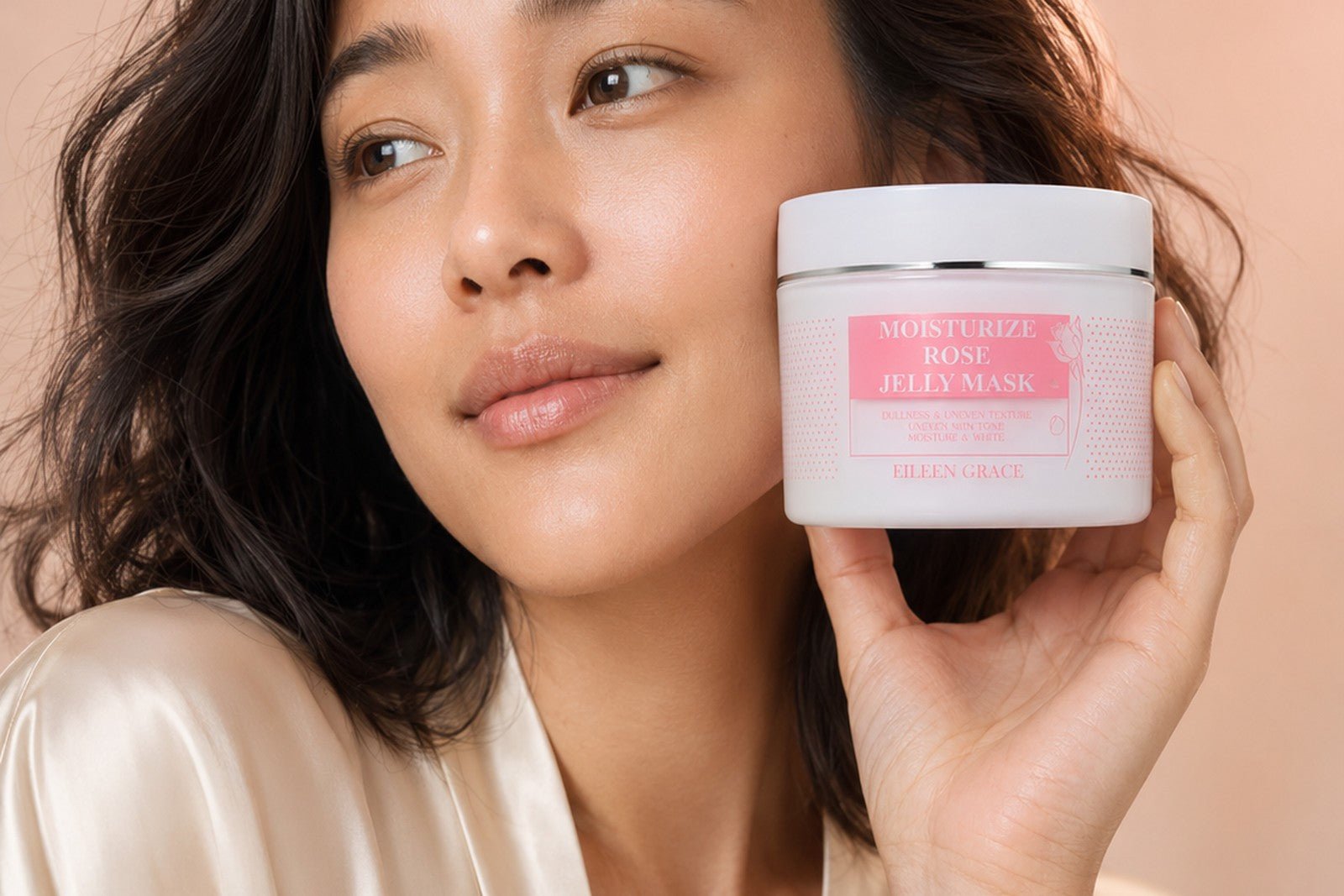
This is exactly the job of the Eileen Grace Moisturize Rose Jelly Mask 300ml. It is built to do the opposite of everything that trapped you in the cycle.
It floods, it does not strip. The bouncy, water-rich jelly melts in and soaks the top layers of your skin with moisture, rose extract, and humectants that pull water in and lock it there. No clay drawing moisture out. No alcohol degreasing the surface. No squeaky foam. You finish soft and cushioned, not tight.
The cold does real work. Keep the jar in the fridge and the jelly turns ice-cool, which is heaven in tropical heat and after a day of air-con fatigue. The cold calms the redness that over-washing leaves behind, and helps stressed, tight skin settle down. Want an even colder reset? See whether a face ice bath actually works for Malaysian skin.
It respects a worn-out barrier. Dehydrated skin usually means a damaged moisture barrier, so the formula stays gentle: plant-based, alcohol-free, paraben-free, certified by KKM NPRA Malaysia and ECOCERT, and safe for sensitive skin and for women who are pregnant or breastfeeding.
One customer put it better than any ingredient list could: her skin was so thirsty it seemed to *drink the jelly right up.*
This is the mask that hydrates instead of strips.
How to use it: the 15-minute reset

No technique to master. The jelly is forgiving.
1. Cleanse gently. Wash with lukewarm water and a mild cleanser, then pat your face just damp. From tonight, the squeaky-clean wash is retired.
2. Apply a real layer. With the spatula in the jar, scoop a generous amount over your whole face, heaviest on the cheeks and under-eye zones that feel tightest. Spread it thick enough that you cannot see your skin through it. A thin layer dries out before it can work.
3. Wait 15 minutes. Lie back. Let the cold rose settle. You will feel the tightness ease as the water sinks in.
4. Rinse and seal. Rinse off completely with cool water, no scrubbing, then follow with your moisturiser to lock the water in.
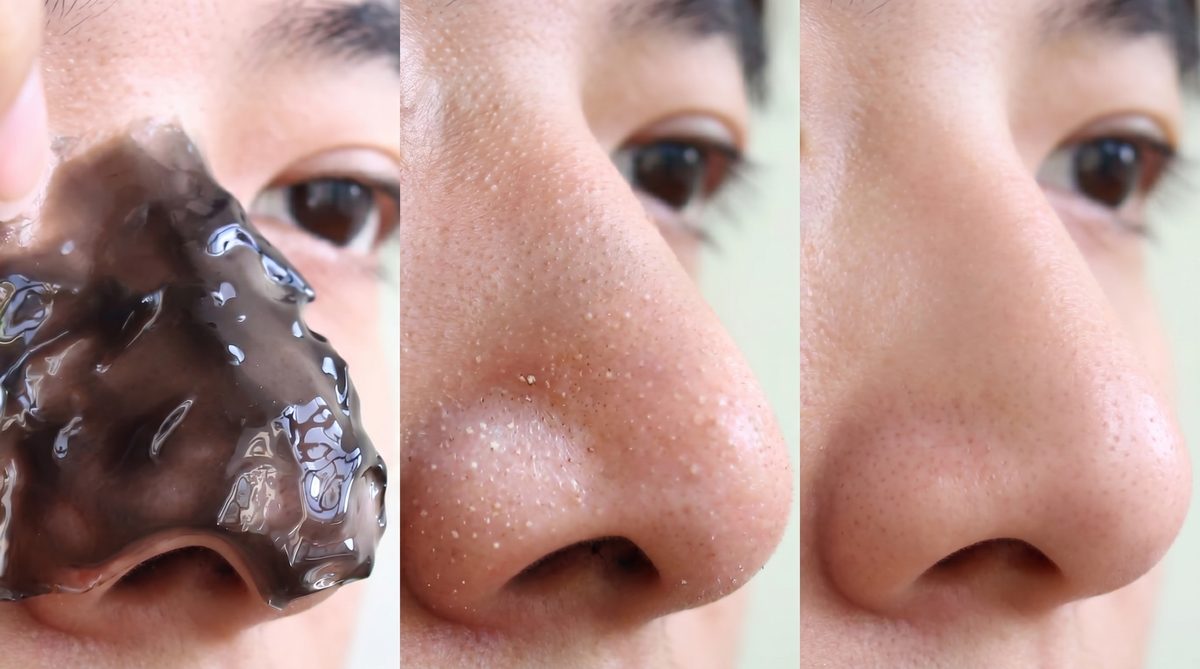
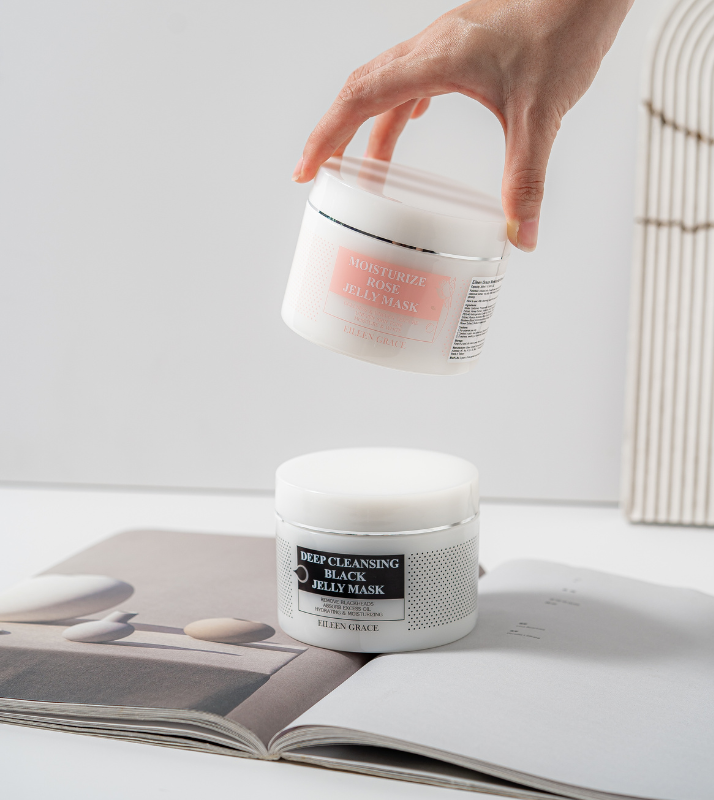
Frequency: Daily, for best results. The rose jelly is gentle, water-based hydration, so a nightly 15-minute layer is exactly what dehydrated skin wants while it rebuilds. When your T-zone needs a deeper clean, swap in the Eileen Grace Deep Cleansing Black Jelly Mask 300ml 2 to 3 times a week, which handles pores and blackheads without the tight, parched feeling clay masks leave behind.
What to expect in your first month
Hydration rebuilds gradually. Most Malaysian users describe the same 4-week arc. Getting real results starts with a real jar, see our Eileen Grace Rose Jelly Mask original vs fake checks.
Week 1. The cooling relief is instant. After the first rinse, the tightness on your cheeks eases and skin feels softer that same night.
Week 2. With nightly use, the midday shine starts to calm. This surprises people, but it makes sense: once your skin stops panicking about water, it stops overproducing oil to compensate.
Week 3. Makeup sits better. Foundation stops catching on flaky patches and stays smoother through the afternoon, because the surface under it is finally hydrated.
Week 4. Skin looks plumper and bouncier, with that soft glow dehydration steals. Run the pinch test again: it bounces back faster than it did 4 weeks ago.
What real users say
The Eileen Grace Rose Jelly Mask has earned hundreds of verified reviews from Malaysian customers, and the same words keep coming up. Skin that feels soft, calm, and bouncy from the very first use. A cooling rose ritual their skin starts to *crave* at the end of a long air-conditioned day. Women with combination and sensitive skin reporting no stinging and no breakouts, just the moisture finally going back where it belongs.
A simple routine that breaks the cycle
You do not need 10 steps. You need to stop stripping and start hydrating.
Cleanse without stripping. If congestion and breakouts ride along with the dehydration, the Eileen Grace Salicylic Acid Foaming Cleanser 150ml keeps pores clear with a cloud-soft foam that does not leave skin tight and squeaky.
Hydrate every night. The Rose Jelly Mask is the engine, flooding back the water the air-conditioning takes out all day. It is gentle enough for daily use, and daily is where you see the fastest results.
Deep-clean on the off nights. Alternate with the Black Jelly Mask when your T-zone needs a reset, so you never have to choose between clean pores and hydrated skin.
Frequently asked questions
Can oily skin really be dehydrated? Yes, and it usually is. Oily is a skin type, set by genes and hormones. Dehydration is a temporary lack of water. When oily skin loses water it often makes even more oil to compensate, which is why most people who think they are simply oily are actually oily and dehydrated at the same time.
What is the difference between dry skin and dehydrated skin? Dry skin lacks oil and is a type you are born with. Dehydrated skin lacks water and is a temporary condition anyone can have, oily skin included. The fix for dehydration is to add water and help skin hold it, not to pile on heavy oils.
Will a hydrating mask make my oily skin more oily? No. A water-based jelly mask adds moisture, not grease. Over a few weeks, adding hydration usually calms excess oil, because your skin stops overproducing sebum to make up for water it was missing.
Is the Rose Jelly Mask safe for sensitive skin and during pregnancy? Yes. The formula is plant-based, alcohol-free, and paraben-free, certified by KKM NPRA Malaysia and ECOCERT, and suitable for sensitive skin and for women who are pregnant or breastfeeding.
Give your skin what it has been asking for
You have spent years fighting a shine that was never really oil.
Tonight you can stop. Pull the jar from the fridge, spread on a cool layer of rose jelly, and give your skin the 15 quiet minutes of water it has been begging for under all that shine.
The tightness eases. The calm sets in. And the morning after is the part you will remember.