
2 bottles. Both say "exfoliant." Both promise clear, smooth skin. One is glycolic acid, one is salicylic acid, and the labels do not really explain the difference. So you do the reasonable thing: buy both, use both, every day. A week later your skin is tight, flaky, stinging, and breaking out in places it never did before.
The problem was never which acid. It was using them both, daily, without knowing what each one does. People wreck their skin this way constantly. If you have ever bought both acids, used them together, and watched your skin break out or turn raw, you already know how this goes. And the question that follows is always the same: how do I heal my skin barrier after over-exfoliating?
So here is the honest, no-jargon version: what each acid actually does, which one your skin needs, and how to use both in Malaysia's humidity without stripping your face.
Salicylic acid (BHA): the one that gets inside the pore

Salicylic acid is oil-soluble. That one word is the whole point. Because it dissolves in oil, it can get down inside the pore and clear out the trapped oil and dead skin that turn into pimples, blackheads and congestion. If your main problems are oiliness, breakouts, clogged pores or maskne, salicylic is your acid.
It is also gentle enough, at a sensible strength, for daily use. This is why the whole Eileen Grace acne line is built on it: the Acne Care Essence at 1.19% salicylic acid for daily treatment, plus the matching acne care toner and foaming cleanser at lower percentages so every step stays mild. (Full breakdown in our guide to the best acne ingredients.)
Glycolic acid (AHA): the one that smooths the surface

Glycolic acid is water-soluble, so it works on the surface of your skin rather than inside the pore. It loosens and dissolves the dull, dead cells sitting on top, which is what smooths rough texture, brightens a tired complexion and softens the look of surface blackheads. If your complaint is "my skin looks dull" or "it feels rough and bumpy" rather than "I keep breaking out," glycolic is the one.
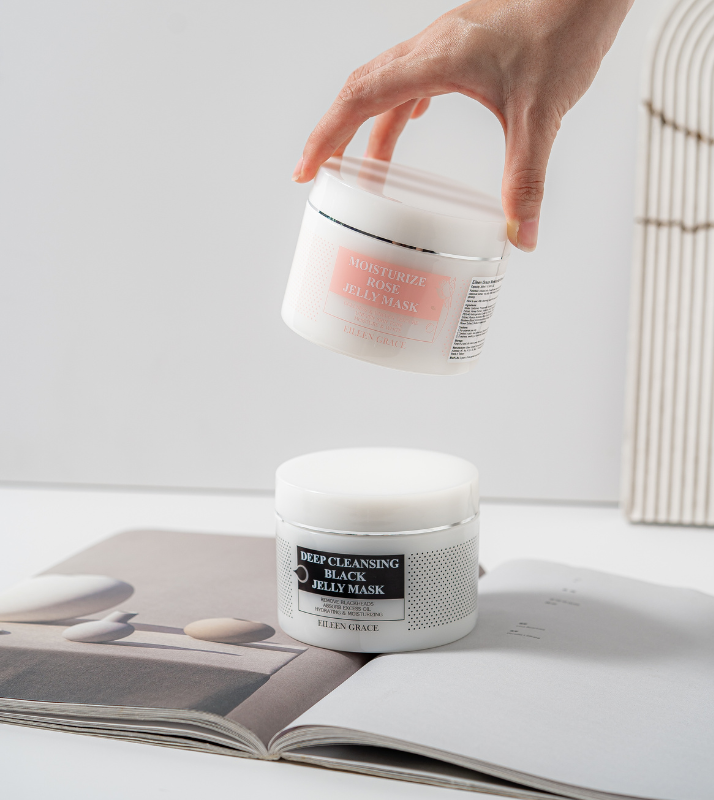
The catch with glycolic is irritation. In a daily leave-on toner or serum it sits on your skin for hours, and that is where a lot of the stinging and over-exfoliation stories come from. Eileen Grace puts its glycolic somewhere that makes more sense for humid skin: the Deep Cleansing Black Jelly Mask, where glycolic pairs with activated charcoal to resurface and decongest, then rinses off after 15 minutes. You get the smoothing without leaving an acid on your face all day. Used 2 to 3 times a week, not daily. (More on how that compares to a drying clay mask in clay mask vs jelly mask.)
Salicylic vs glycolic, side by side
| Salicylic Acid (BHA) | Glycolic Acid (AHA) | |
|---|---|---|
| Solubility | Oil-soluble | Water-soluble |
| Where it works | Inside the pore | On the skin surface |
| Best for | Oily skin, breakouts, blackheads, clogged pores, maskne | Rough texture, dullness, uneven tone, surface buildup |
| How you use it (Eileen Grace) | Daily, leave-on essence and toner | 2 to 3 times a week, rinse-off mask |
| After-feel, done right | Calmer, less oily | Smoother, brighter |
| Main risk | Over-drying if the percentage is too high | Irritation and stinging if left on daily |
Which one does humid Malaysian skin actually need?
For most people here, the honest answer is salicylic first. In our heat and humidity, oil production runs high and pores clog fast, so a daily salicylic step does the most visible work: fewer breakouts, less midday shine, clearer pores. Glycolic is the supporting act, brought in 1 to 2 times a week when texture and dullness are the real complaint. (Not sure if your skin is oily or just dehydrated and overproducing oil? Read this first.)
What you should not do is treat them as rivals and pile both on, daily, leave-on. That is the fast track to a damaged barrier. Layer a glycolic toner, a salicylic gel and a weekly scrub on top of each other and you are not tripling your results, you are tripling your odds of a raw, stinging face. More acid is not more results. It is usually just more irritation.
You do not have to choose. You have to schedule.
The trick is roles, not rivalry:
- Daily: salicylic acid, at a gentle strength, to keep oil and breakouts in check.
- 2 to 3 times a week: glycolic acid, in a rinse-off mask, to smooth and brighten.
Because the Eileen Grace glycolic comes in a wash-off jelly instead of a daily leave-on acid, they never fight for the same slot. Your barrier gets the benefit of both without the over-exfoliation tax.
How to tell you have over-done it
Your skin will tell you before any acid does. Watch for:
- Tight, shiny skin that looks "too clean"
- Stinging when you apply anything, even water
- New small bumps or redness in areas that were fine before
- Flaking right next to oily patches at the same time
If that is you, stop all acids for a week, keep it to a gentle cleanser and moisturiser, and let the barrier rebuild. Then restart with a single acid, not several at once.
A simple, non-stripping routine

- Cleanse with the Salicylic Acid Foaming Cleanser to clear oil without the tight squeak.
- Tone with the Acne Care Toner to calm skin and start fading marks.
- Treat daily with a few drops of the Acne Care Essence, salicylic where you tend to break out.
- Resurface 2 to 3 times a week with the Black Jelly Mask for glycolic smoothing, rinsed off after 15 minutes.
Everything here is plant-based, alcohol-free, paraben-free and certified by SGS, ECOCERT and KKM NPRA Malaysia, so daily use stays gentle.
A quick honest note
Acids handle everyday oiliness, congestion and texture. If you have severe, painful or cystic acne, or your skin is reacting badly to everything, please see a doctor or dermatologist. Good skincare and professional care work together, not against each other.
Frequently asked questions
Glycolic or salicylic acid for acne? Salicylic acid. It is oil-soluble, so it gets inside the pore where pimples and blackheads start. Glycolic works on the surface and is better for texture and dullness than for active breakouts.
Can I use glycolic and salicylic acid together? Yes, if you schedule them instead of stacking them. Use salicylic daily and glycolic 2 to 3 times a week, ideally in a rinse-off format. Using both as daily leave-on acids is the main cause of over-exfoliation.
Which acid is better for oily skin in Malaysia? Salicylic, as your daily acid. Humid weather means more oil and faster-clogging pores, and salicylic clears inside the pore. Add glycolic weekly only when texture and dullness are the issue.
Is glycolic acid too harsh for sensitive skin? In a daily leave-on form it can be, because it sits on the skin and lowers its pH for hours. In a rinse-off mask used 2 to 3 times a week it is much gentler, since it is removed after 15 minutes.
How do I know if I have over-exfoliated? Tight, shiny, stinging skin, new redness or small bumps, and flaking. Stop all acids for a week, simplify to cleanser and moisturiser, then reintroduce a single acid at a time.
The right acid beats more acid
You were never going to clear your skin by stacking 2 exfoliants and pushing them harder. Salicylic to keep oil and breakouts down, glycolic 1 to 2 times a week to smooth and brighten, and a barrier you actually look after in between.
Pick the acid for the problem in front of you. Give it a few weeks. Let it work before you reach for the next bottle.
The Acne Care Essence delivers daily salicylic acid at 1.19%, while the Deep Cleansing Black Jelly Mask delivers glycolic acid in a rinse-off format, so you can use both without over-exfoliating.