
All day in a mask, in this heat. You take it off in the evening and there they are: small bumps along your chin, jaw, and the cheeks where the fabric sits. Always the same spots. Maybe 3 to 5 a week, in the exact shape of where the mask presses. Clearing that up starts the same place your night skincare routine does, at first cleanse.
That pattern has a name. It is called maskne, and in Malaysia's climate it is one of the most common breakouts going. The good news is it is also one of the most fixable, once you understand what is actually causing it.
So here is the honest version: what your mask is doing to your skin in this heat, the one mistake that makes it worse, and the simple routine that clears it without stripping your face.
What maskne actually is
Your mask does three things to the skin underneath, and all of them feed breakouts.
First, it traps. Every breath, every bit of sweat, and the heat coming off your face all get held against your skin in a small, humid pocket. That warm, damp environment is exactly where acne-causing bacteria and trapped oil love to multiply.
Second, it rubs. The constant friction of fabric against your chin, cheeks, and nose bridge irritates the skin and inflames pores that are already under pressure.
Third, it clogs. Sweat, oil, and dead skin get pushed back into the pore instead of clearing away, and a clogged pore is a pimple waiting to happen.
Put those together and you get breakouts in a very specific pattern: the parts of your face the mask actually touches.
Why Malaysia makes it worse
Here is the part most maskne advice skips, because it is written for cooler, drier countries. Yours is not.
In our humidity, your skin is already producing more oil and sweating more before the mask even goes on. Add a layer of fabric over it for hours, then walk from 33 degree heat into a freezing air-conditioned office and back out again, and that little pocket under your mask becomes a sauna your pores cannot escape. The trapped moisture that feels so unpleasant by lunchtime is the same thing quietly feeding the bumps.
So maskne is not a sign your skin is dirty or that you are doing something wrong. It is a predictable reaction to heat, friction, and trapped humidity. Which means the fix is predictable too.
The mistake that makes it worse
When the bumps show up, most people reach for the strongest thing in the cabinet. Scrub harder. Wash more often. Pile on a couple of drying spot treatments. A week later the skin is redder, tighter, flaking, and breaking out in even more places.
That backfires for a simple reason. Stripping an already irritated face does not calm it down, it panics it. The barrier weakens, the skin overproduces oil to compensate, and you end up with more of exactly what you were trying to clear.
The fix for maskne is not more aggression. It is the right ingredients, at a gentle strength, used consistently.
What actually clears maskne
Two things do most of the work.
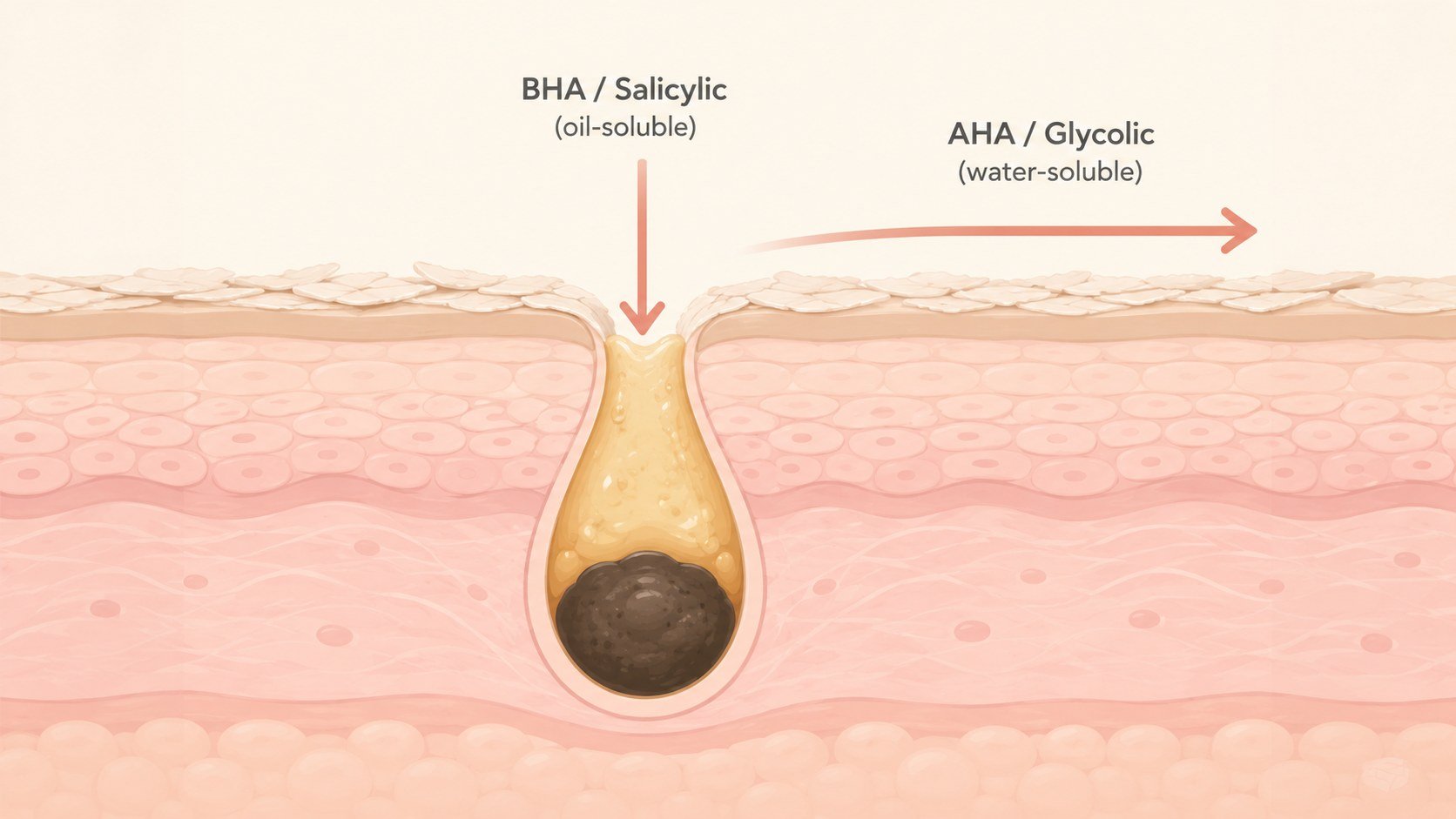
The first is salicylic acid, used daily. Salicylic acid is oil-soluble, which means it gets down inside the pore and clears out the trapped oil and dead skin that maskne is built on. The key is strength. A harsh, high-percentage treatment clears one spot and strips everything around it, while a gentle, well-formulated percentage used every day does far more over a month. This is why Eileen Grace built the Acne Care Essence at 1.19% salicylic acid in a lightweight gel, with niacinamide to calm the friction-irritation and fade the marks maskne leaves behind. It is designed to reduce and prevent up to 95% of acne formation, yet stays gentle enough to use morning and night on sensitive skin. (More on how each acne ingredient works in our guide to the best skincare ingredients for acne-prone skin.)

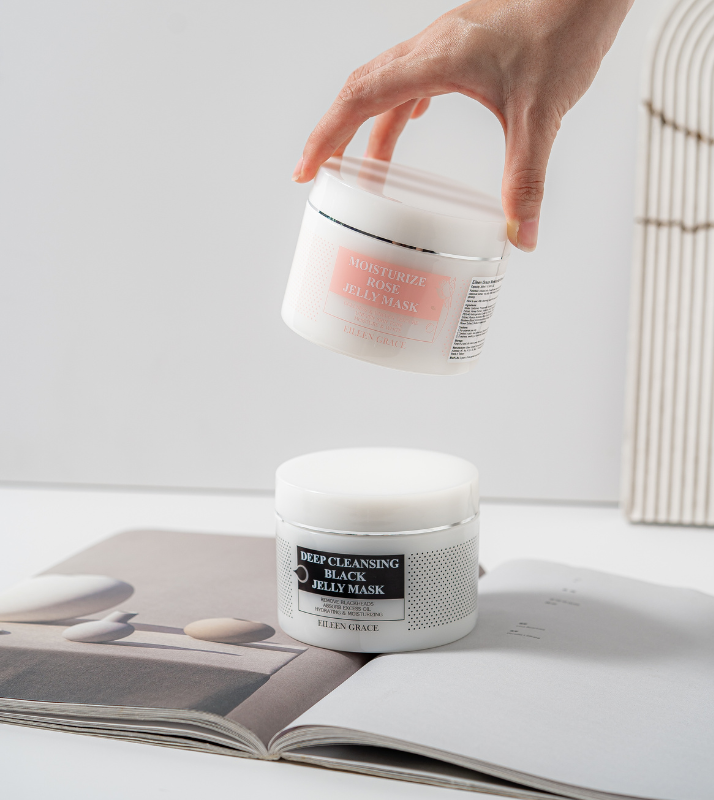
The second is a weekly deep clean. Daily treatment keeps things under control, but hours under a mask pack the pores with more congestion than a serum alone can reach. Once or twice a week, the Deep Cleansing Black Jelly Mask pairs activated charcoal with glycolic acid to draw out that buildup and resurface the skin, then rinses off after 15 minutes. Used 2 to 3 times a week, not daily. Because it washes off clean instead of leaving a film, it deep-cleans without the tight, stripped feeling a clay mask leaves behind. (If blackheads are part of your picture, here is how to clear them without squeezing.)

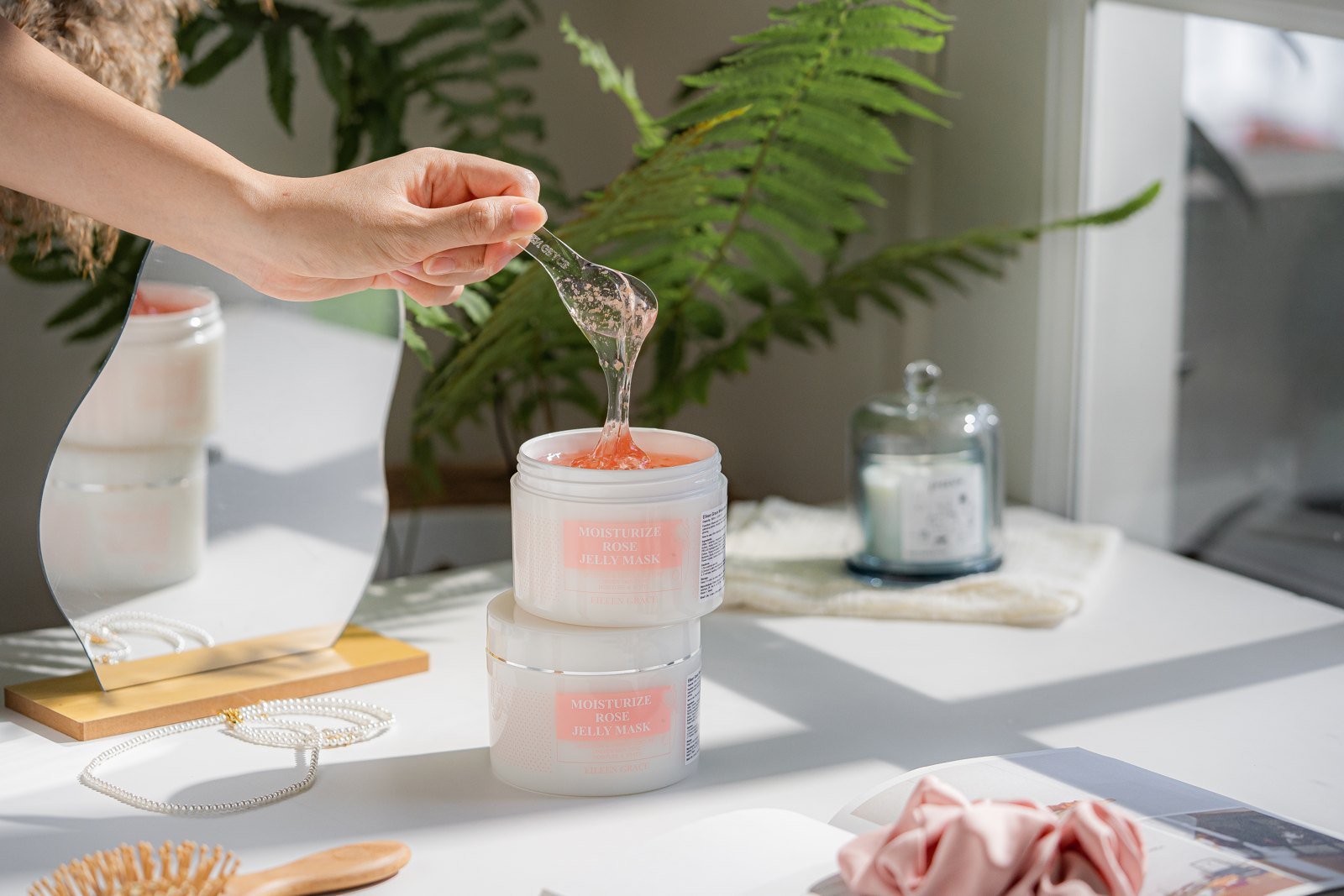
There is a third, smaller thing that helps more than you would expect: temperature. Keep the jelly mask in the fridge and apply it cold. After a day of heat and friction, the cool reset calms the flushed, tender skin along your cheeks and jaw, which is exactly where maskne is angriest.
A simple maskne routine
You do not need 10 steps. You need 4 that work together.
- Cleanse. The Salicylic Acid Anti-Acne Foaming Cleanser at 0.24% salicylic acid lifts the day's sweat, oil, and bacteria without that squeaky, tight finish.
- Tone. The Salicylic Acid Acne Care Toner soothes the redness from friction and keeps fading marks.
- Treat. A few drops of the Acne Care Essence morning and night, focused on the mask-contact zone: chin, jaw, and cheeks.
- Deep clean, 2 to 3 times a week. The Black Jelly Mask, ideally cold from the fridge, for the congestion daily care cannot reach.

Every step here is plant-based, alcohol-free, paraben-free, and certified by SGS, ECOCERT, and KKM NPRA Malaysia, so the whole routine stays gentle enough to use through a sweaty, mask-on week.
The other half: mask habits that help
Skincare does the heavy lifting, but a few simple habits stop you from fighting your own routine:
- Start clean. If you wear a reusable cloth mask, swap to a fresh one daily and wash it properly. A mask worn 2 days in a row is carrying yesterday's oil and bacteria back onto your skin.
- Skip heavy makeup underneath. Foundation under a mask has nowhere to go but into your pores. Let that zone breathe on long mask days.
- Blot, do not rub. When your face gets sweaty under the mask, press gently with a clean tissue instead of wiping. Less friction, less irritation.
- Give your skin air. When you are safely able to, take the mask off for a few minutes in a clean space and let the trapped heat escape.
None of this replaces the routine. It just stops the breakouts from refilling as fast as you clear them.
What to expect, week by week
- Week 1: Skin feels calmer and less tender along the mask line. Existing bumps start to settle. No overnight miracle, and that is normal.
- Weeks 2 to 3: Fewer new bumps appearing in the same old spots. The marks from older ones begin to fade.
- Week 4 and beyond: The mask-shaped breakout pattern stops repeating, tone evens out, and your skin handles a full day under fabric far better.
Consistency beats intensity, every time.
A quick honest note
This is for the everyday maskne most of us deal with. If your breakouts are severe, painful, or cystic, or they are affecting how you feel day to day, please see a doctor or dermatologist. Good skincare and professional care are not rivals. They work together.
Frequently asked questions
What is maskne, exactly? It is the nickname for breakouts caused or worsened by wearing a face mask. The mix of friction, trapped heat, and humidity clogs and irritates the pores where the mask touches, usually the chin, jaw, and cheeks.
Why do I only break out where my mask sits? Because that is where the friction and trapped moisture are concentrated. The skin the mask does not cover stays comparatively clear, which is what gives maskne its tell-tale pattern.
Can I use salicylic acid every day in Malaysia's humidity? Yes, at a sensible strength. A well-formulated essence around 1 percent is made for daily, twice-a-day use, even on sensitive skin. It is harsh, occasional, high-percentage use that causes problems, not gentle daily care.
Won't a jelly mask just trap more moisture and cause more breakouts? No, because it is a rinse-off treatment, not a leave-on one. You wear it for 15 minutes, then wash it off completely. It pulls congestion out of the pores rather than sealing anything in. (If you are weighing your acids, here is glycolic acid vs salicylic acid for Malaysian skin.)
How long until maskne clears up? Calmer skin within the first week, and fewer breakouts over 3 to 4 weeks of consistent care. Anyone promising clear skin in 3 days is selling you a filter.
Your skin should not dread the mask
Maskne is not a sign you are doing anything wrong. It is just heat, friction, and trapped humidity doing what they do to Malaysian skin. Clear it the way it actually responds to: gentle salicylic acid every day, a cooling deep clean once or twice a week, and a few small habits in between.
Scoop the jelly cold. Give it 15 minutes. Let your skin breathe again.
The Acne Care Essence is formulated with 1.19% salicylic acid, niacinamide, willow bark, and tea tree, and is certified safe for sensitive, acne-prone skin.